
Types of Interviews
TLDR: Most interviews are unstructured, but larger organizations and government environments do have a method behind the process. Here’s a sneak peek of some common types of interviews from unstructured: all over the map, to the most structured: Topgrading (and yes, TORC, Threat of Reference Check is a real acronym used.)
Pulling from my archives. If you want to know more about job seeking, please join me at my Job Seeker webinar on March 13th, at 11:30 PST. I’ll be posting some oldie-and-still-relevant information, some updated information, and the like as I prepare to help people navigate the upcoming changes in their job search.
It all started with a college intern…
A while back, I sat down with some of my college interns to talk about successful interviewing as they prepared to transition into graduation and continue their budding careers.
One of the first questions they asked was “What are all the types of interviews. So far, I have phone, Skype (this was 15 years ago), in person…” After 25+ years in recruiting, I have seen a wide range of interview types. They aren’t how the interview physically takes place, but rather how the questions are asked and how the interview is styled.
My answer to the question is:
- Stress-based
- Competency-based
- Behavioral-based
- Top Grading
- Skills review
- Unstructured
- Structured
Just to name a few. These types of interviews are certainly used on phone screens, phone interviews, video interviews, in-person interviews, and video playback interviews.
Let’s start with the most common, to the least common – but we’re not getting into all of them. The stress-based interview is something that has mostly gone by the wayside, but I’ll do a future post about it.
Unstructured: The Most Common and Most Unpredictable

We’ve all been privy to this type of interview. In fact, the higher up the ladder of the person interviewing, the more likely they are to be unstructured. The interview will almost always start with “tell me about yourself”. Be careful in these interviews, because they move with the wind, and I have seen stronger candidates ruled out because of where the wind of the interview took the interviewer.
Rooted in anthropology and sociology, this method relies on social interaction and a constructivist approach, with the researcher acting as a learner, asking spontaneous questions based on the interviewee’s narration for deeper understanding.
Structured: What Most Companies Try to Have
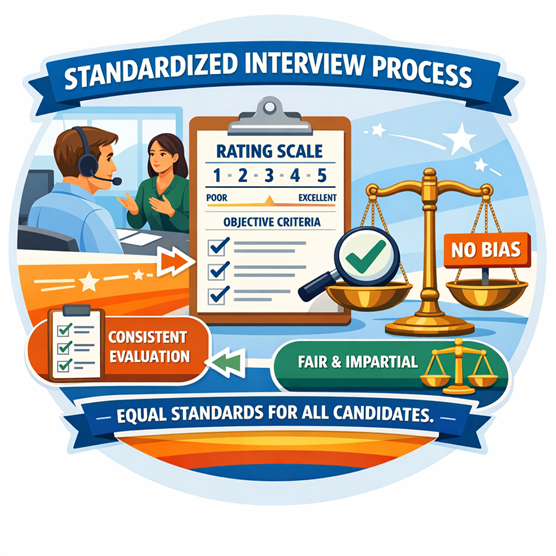
There are several types of structured interviews, kinda like what Protestant is to Christianity. Basically, there is a list of questions, and the interviewer sticks to the script. Every candidate will have the same questions and will be evaluated on the same criteria. Government agencies are fond of this type of interview.
A structured interview uses a standardized process where all candidates answer the same questions in a fixed order, ensuring fairness. Responses are evaluated with consistent scales, reducing bias.
Behavior Based: Considered the GOLD Standard
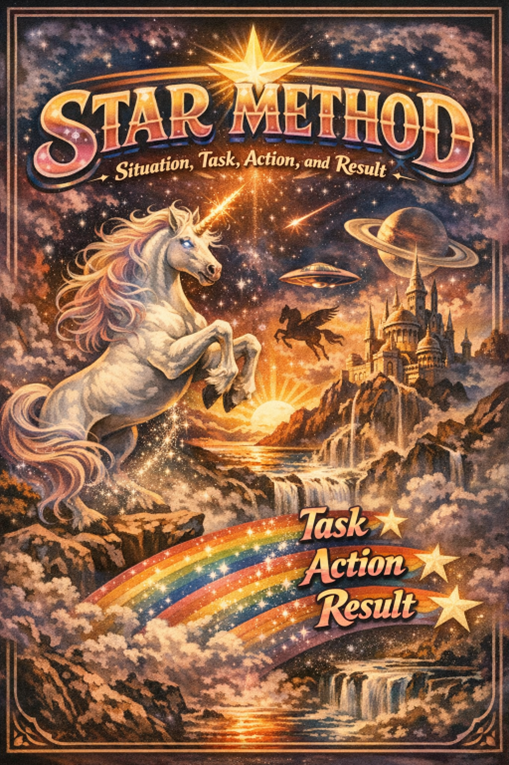
This is the grand-daddy of all interviews. You’ve likely heard it referred to as a STAR interview. The calling card of this interview is “tell me a situation in which…” In this interview, you then reiterate a Situation or Task at hand, the Action you took, and the Result of the action. The interview, if written well, will guide you through the STAR methodology quite naturally. If not written well, you will likely be guided in giving generic answers that aren’t specific to the desired behavior. Pay close attention.
While this is often considered the Gold Standard, it is NOT my favorite, and I often avoid too many Behavior Based questions.
This method turns simple answers into compelling narratives demonstrating a candidate’s potential by illustrating past behaviors and accomplishments.
Skills Review: Simple, to the Point, Great for Entry-Level
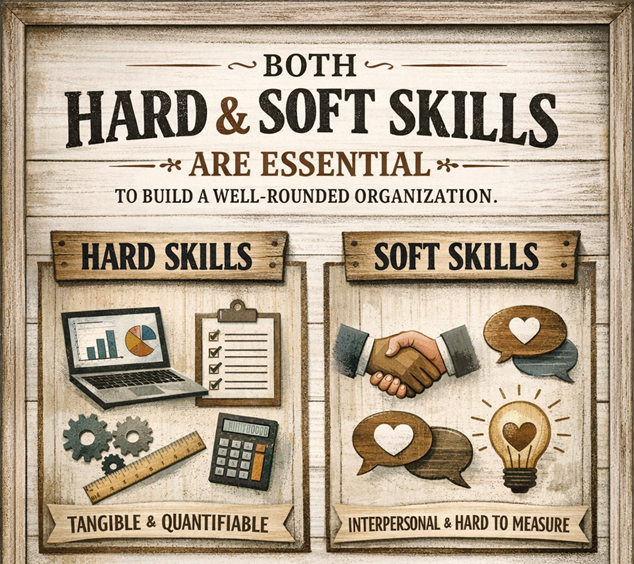
This is what you will see most often in phone screens and physical labor-type positions. It’s a simple interview in which the interviewer validates your hard and soft skills to see if they are a match for the position. Lots of questions around what your actual hands-on tasks were and how many years’ experience you have for each skill set.
Hard skills are measurable through tests, while soft skills are assessed via observation and interviews, such as the STAR method.
Competency Based: Great for Complex Decision-Making Positions

A cousin of the behavior-based interview. This interview includes a list of desired traits in a candidate and multiple questions an interviewer can ask about each trait. The questions are usually, but not always, behavior-based styled. But the interview is loose. Each candidate will be interviewed based on the same traits and characteristics, but not always using the same questions.
The process involves identifying key competencies, technical skills and soft skills like empathy, and using initial and follow-up questions to explore actual past actions instead of hypothetical ones.
Top Grading: Hiring “A” Players
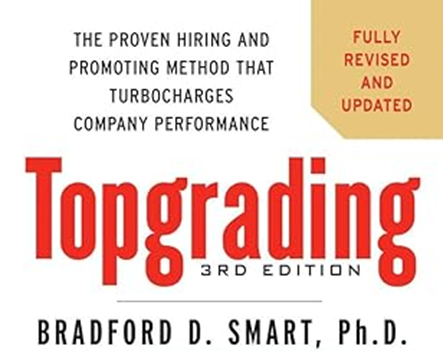
A very uncommon interview that can take upwards of three hours. You’ll know if you are subject to a Top Grading interview if you have to call your references to schedule a time for them to speak to the interviewer. There is generally a phone screen, and then one on-site interview with the entire decision-making team. They will go through your ENTIRE job history, and your decision to take each and every job. They will TORC, Threat of Reference Check for each and every job. If you are a manager, they will drill into every employee you mentored up or out along the way. This interview structure can make people feel uncomfortable, but it’s arguably one of the most effective ever created. If you find yourself subject to a Top Grading interview, know that you are dealing with an incredibly high-performing environment.
Top Grading uses a structured, chronological process that explores a candidate’s full career, including successes, failures, and feedback from previous managers.
Are there more interview styles out there? Sure. This list is just the tip of the iceberg, after all, I didn’t even get through my bullet points.
As always, do some research on the selected company prior to your interview, and be prepared for anything. Have questions or ideas for future subjects?
Let me know…
About FloatHR

Daava Mills (that’s me!) has been in the trenches of Recruiting and Retention for over 25 years. I love to help companies explore what works for them, not what other companies are doing.
I work with companies up and down the I-5 corridor within the Pacific NW, as well as nationally. Living in a small town with a show dog, a hunting dog, and a rescue kitty, with my teen and husband, I meet a lot of people via video, and sometimes over coffee. When not geeking out over hiring and interview matters, you can find me doing pretty much anything to avoid the dreaded pile of laundry.
If you are a company looking to contact me, please do so via my Contact Page.